"...There are options up to 384 kHz and even some beyond that, but the question is how accurate they are, or if it's just a marketing trick.
For music production, 192 kHz or 96 kHz are primarily used. Perhaps what you need is simply an A-D signal converter that isn't intended solely for audio?
The second question is: how important is precision?
One of the highest quality and most expensive A-D converters, Lavry, offers 192 kHz and 21 bits out of 24.
That model came out only a few years ago, because before it, Lavry claimed that better precision than 96 kHz was impossible, as faster sampling creates more errors.
But I think technologically, 192 has become the new standard.
And 24 bits is also the standard, with the caveat that a cheap card probably delivers 18-19 bits in practice, while high-quality ones like this Lavry are in the range of 21-22.
...
Every bit equals 6 decibels, so if it measures 128 dB, that works out to about 21.33 bits. This is what I'm talking about.
.....
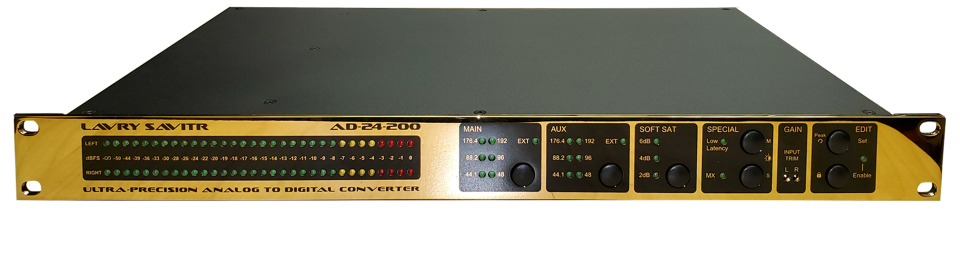
.....
https://lavryengineering.com/pdfs/la...ing-theory.pdf
.....
There is also another method of sampling; I don't know if it's applicable to your project or not.
Also, this company Prismsound is at the top when it comes to audio A-D and D-A converters.
.....
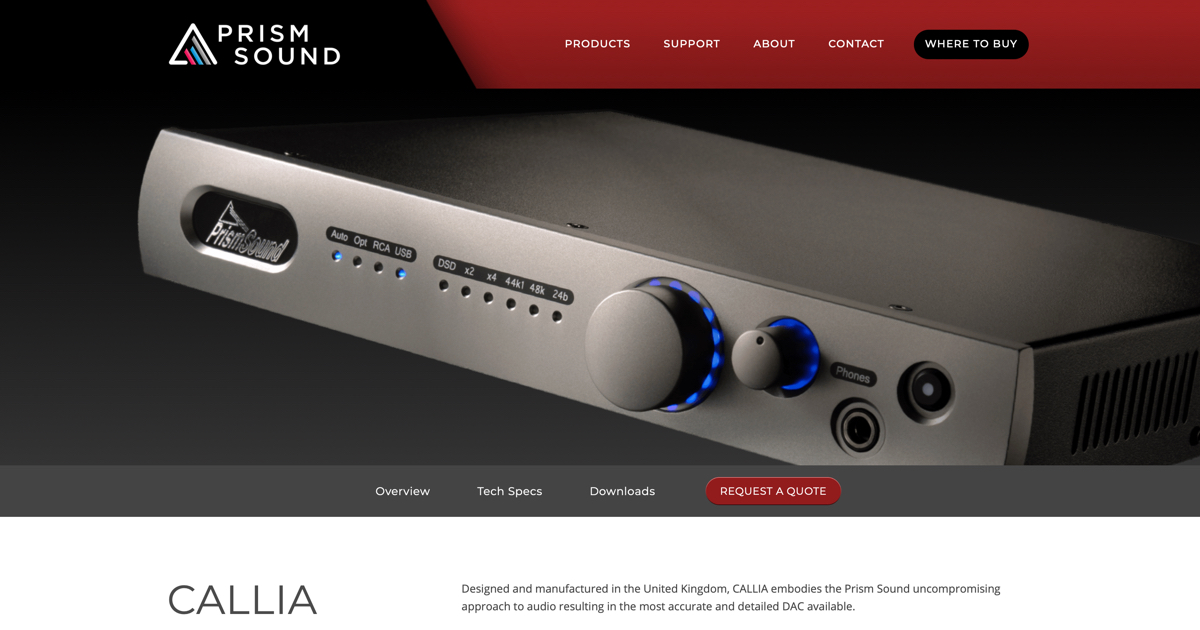
.....
Let me mention another company I know that makes testing and measurement equipment.
https://www.ap.com/ "
Basically, Aziz, the problem revolves around what you experienced as well.


 ).


Leave a comment: